Your First Trekking Adventure: Everything You Need to Know
“I’ve never done trekking in my life. Can I do the Inca Trail?” — The answer is YES, and this guide explains how.
The Question Everyone Asks
Every week we receive the same message:
“Hi, I’ve always dreamed of doing the Inca Trail, but I’ve never done trekking. I don’t know if I’m fit enough. Is it possible for someone like me?”
The short answer: Yes, it’s absolutely possible.
The complete answer: Yes, but it requires preparation, the right mindset and realistic expectations. This guide will give you everything you need to go from “I’ve never done trekking” to “I completed the Inca Trail.”
What This Article Will Give You
Honest assessment of whether the Inca Trail is for you Specific preparation plan for beginners What to expect each day (no surprises) Common beginner mistakes and how to avoid them Tips from guides who have led hundreds of beginners Real stories from people who succeeded as novices Alternatives if you decide the 4-day trek is too much
Is the Inca Trail For Me? (Honest Assessment)
Before continuing reading, let’s do a sincere assessment.
Real Minimum Requirements
The Inca Trail DOES NOT require:
You DON’T Need | Why |
❌ To be an athlete | Most participants are normal people |
❌ Previous trekking experience | Many do it as first trek |
❌ Professional equipment | We provide the essentials |
❌ Specific age | We’ve had travelers from 10 to 75 years |
❌ Fitness model body | All shapes and sizes complete it |
The Inca Trail DOES require:
You DO Need | Why |
✅ Ability to walk 5-8 hours | That’s what you’ll do each day |
✅ Willingness to prepare 2-3 months ahead | You can’t improvise |
✅ Tolerance for basic discomfort | Camping, no showers, variable weather |
✅ Mental determination | 50% of trek is attitude |
✅ Reasonable general health | No conditions contraindicting altitude/effort |
✅ Time to acclimatize | Minimum 2 days in Cusco before |
Quick Test: Are You Ready?
Answer honestly:
Test Results
4-5 positive answers: The Inca Trail is totally viable for you with adequate preparation.
2-3 positive answers: It’s possible, but you’ll need more preparation and perhaps consider the 2-day version.
0-1 positive answers: The 4-day Inca Trail may not be the best option now. Consider alternatives or prepare for longer.
What is the Inca Trail (For Someone Who Knows Nothing)
If you’re new to this, let’s start from zero.
In Simple Terms
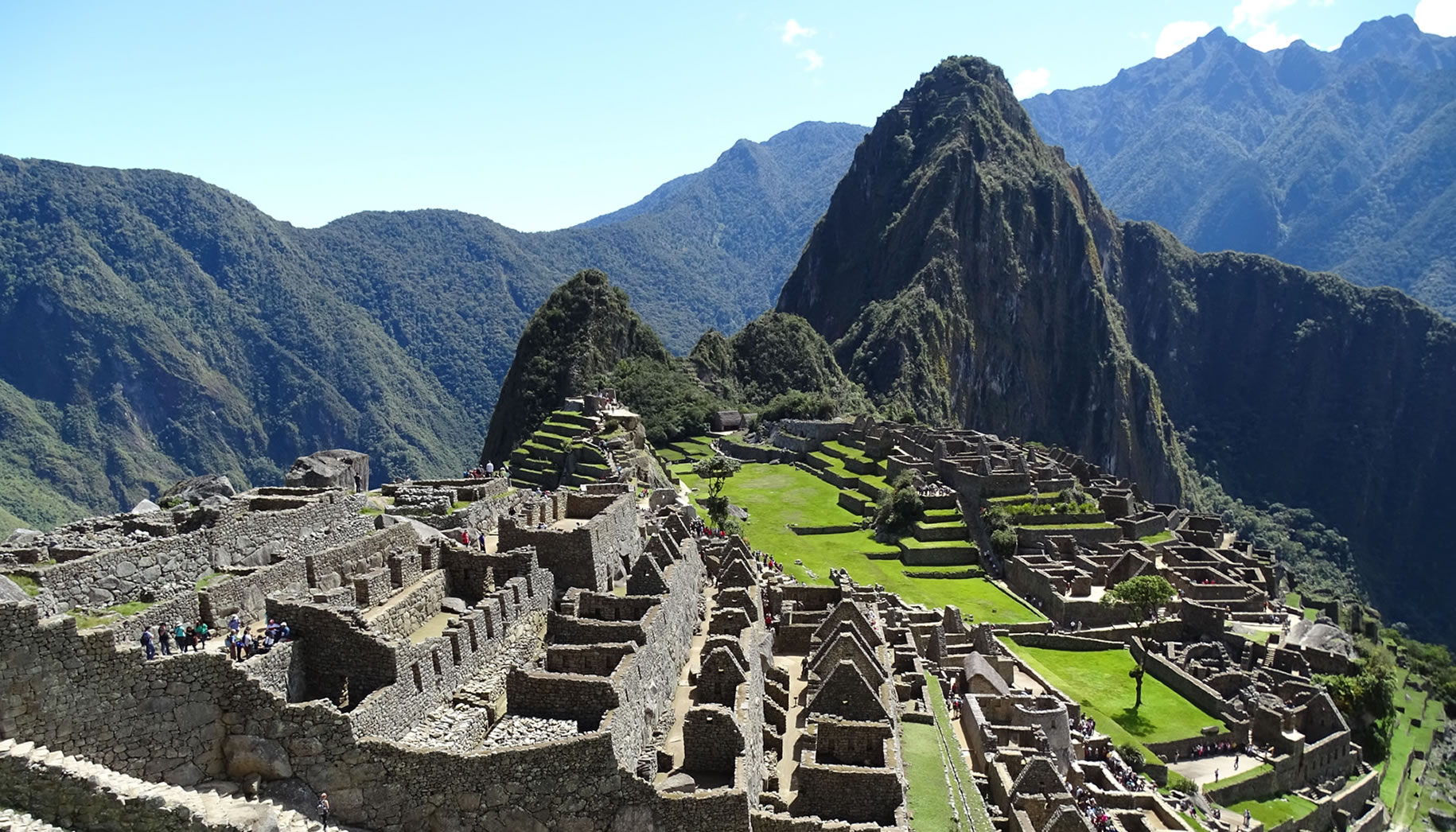
The Inca Trail is a 4-day, 3-night hike through the Peruvian Andes mountains that ends at Machu Picchu, the famous Inca citadel.
You walk on a stone path that’s more than 500 years old, built by the Incas as a pilgrimage route. You pass through ancient ruins, cloud forests and spectacular landscapes.
Basic facts:
Aspect | Detail |
Total distance | 43 kilometers |
Duration | 4 days walking, 3 nights sleeping in tent |
Highest point | 4,215 meters above sea level |
Final point | Machu Picchu |
Where you sleep | In tents, at designated campsites |
Who carries your luggage | Porters (you only carry day backpack) |
Who cooks | Professional cook included |
Who guides you | Mandatory certified guide |
A Typical Day on the Inca Trail
So you understand what to expect:
5:30 AM — They wake you with hot coca tea in your tent
6:00 AM — Full breakfast (pancakes, eggs, fruits, coffee)
7:00 AM — Start walking
10:00 AM — Stop for snack
12:30 PM — Lunch prepared by cook (soup, main course, dessert)
2:00 PM — Continue walking
4:30 PM — Arrive at day’s campsite
5:00 PM — Free time, rest, explore
6:30 PM — Full dinner
8:00 PM — To tent to sleep (you’re exhausted)
What the Inca Trail is NOT
Let’s set expectations:
❌ It’s not a casual walk — It’s real physical effort, every day
❌ It’s not glamping — You sleep in tent, on sleeping pad, no shower
❌ It’s not at your own pace — There are schedules, group moves together
❌ Finishing is not optional — Once you start, the only way out is finishing (or medical evacuation)
❌ There’s no wifi or signal — 4 days disconnected from the world
❌ There are no bathrooms with running water — Basic camp bathrooms
What to Expect Each Day (Version for Beginners)
Let’s go day by day, with total honesty about what you’ll feel.
Day 1: The Warm-Up
Technical data:
What you’ll feel as a beginner:
Morning:
Afternoon:
Night:
Tip for beginners: Don’t get overconfident. Day 1 is easiest. Save energy.
Day 2: The Real Challenge
Technical data:
What you’ll feel as a beginner:
Morning (climb to Warmiwañusca Pass):
Afternoon (descent and second pass):
Night:
Tip for beginners:
This day is where 90% of beginners have their crisis moment. It’s NORMAL to feel you can’t. The key is: one step at a time, don’t look up, breathe, continue. EVERYONE feels this, even experienced trekkers.
Day 3: The Visual Reward
Technical data:
What you’ll feel as a beginner:
Morning:
Afternoon:
Night:
Tip for beginners: This is the most beautiful day. Take your time to enjoy, the worst is over.
Day 4: The Final Goal
Technical data:
What you’ll feel as a beginner:
Early morning (3:30 AM):
Sunrise (5:30-6:00 AM):
Morning:
Tip for beginners: This moment is worth every second of suffering from previous days. Enjoy it fully.
Emotional Summary of Trek for Beginners
Day | Dominant Emotion | Difficulty Level |
1 | Excitement + “This is manageable” | ⭐⭐ |
2 | “I can’t anymore” + Pride at end | ⭐⭐⭐⭐⭐ |
3 | Enjoyment + “Almost there” | ⭐⭐⭐ |
4 | Euphoria + “I DID IT” | ⭐⭐ |
Preparation Plan for Beginners (12 Weeks)
If you’ve never done trekking, you need to prepare. Here’s the complete plan.
Weeks 1-4: Building the Base
Objective: Go from sedentary to “I can walk 2 hours without dying”
Week 1:
Day | Activity | Duration |
Monday | Gentle walk | 20 minutes |
Tuesday | Rest | – |
Wednesday | Gentle walk | 25 minutes |
Thursday | Rest | – |
Friday | Gentle walk | 30 minutes |
Saturday | Slightly longer walk | 40 minutes |
Sunday | Active rest (calm stroll) | – |
Week 2:
Week 3-4:
Weeks 5-8: Increase Intensity
Objective: Build endurance and leg strength
Weekly routine:
Day | Activity | Details |
Monday | Walk with inclines | 50-60 min, look for slopes |
Tuesday | Stairs | 15 floors x 3 repetitions |
Wednesday | Leg exercises | See routine below |
Thursday | Rest or gentle walk | 30 min maximum |
Friday | Walk with backpack | 5 kg, 45-60 min |
Saturday | Long walk | 2-2.5 hours |
Sunday | Stretching/yoga | 30 min |
Leg exercises for beginners:
Exercise | Repetitions | Sets |
Squats | 15 | 3 |
Lunges | 12 each leg | 3 |
Step-ups | 15 each leg | 2 |
Glute bridges | 15 | 3 |
Calf raises | 20 | 3 |
If you’ve never done strength exercises: Look for YouTube videos for “squats for beginners”, “lunges correct technique”. Form is more important than repetitions.
Weeks 9-11: Specific Preparation
Objective: Simulate Inca Trail conditions
Key changes:
Ideal weekend (week 10 or 11):
Day | Activity |
Saturday | 4-5 hour walk with backpack and elevation |
Sunday | 2-3 hour walk (active recovery) |
This simulates two consecutive trek days.
Week 12: Taper
Objective: Arrive rested, not exhausted
Day | Activity |
Monday | Gentle walk, 30 min |
Tuesday | Stretching |
Wednesday | Very gentle walk, 20 min |
Thursday | Total rest |
Friday | Travel to Cusco |
Saturday | Acclimatization (very gentle walk) |
Sunday | Acclimatization |
Monday | INCA TRAIL START |
Common mistake: Training hard until last day. Your body needs to recover before trek.
If You Only Have 8 Weeks
Compress the plan:
It’s less ideal but works if you’re consistent.
If You Only Have 4 Weeks
Honesty: 4 weeks is little for someone completely sedentary. But if you’re already moderately active (walk regularly, climb stairs no problem), it can work.
Intensive plan:
The 10 Most Common Beginner Mistakes (And How to Avoid Them)
After years leading beginners on the Inca Trail, these are the mistakes we see again and again.
Mistake #1: Not Acclimatizing Enough
The mistake: Arriving in Cusco one day before and starting trek next day.
The problem: Cusco is at 3,400 meters. Your body needs time to adapt to less oxygen. Without acclimatization, altitude sickness will destroy you.
The solution: Arrive in Cusco minimum 2 full days before trek. Ideal 3 days.
Day | Activity |
Day 1 | Arrive, rest, very gentle walk, lots of fluids |
Day 2 | Gentle city tour, nothing exhausting |
Day 3 | Free day or Sacred Valley (lower, helps) |
Day 4 | Start Inca Trail |
Mistake #2: New or Inadequate Footwear
The mistake: Buying new trekking boots and debuting them on the Inca Trail.
The problem: New footwear = guaranteed blisters. Blisters = 4 days of agony.
The solution:
Mistake #3: Carrying Too Much Luggage
The mistake: Packing like you’re going on month-long Arctic expedition.
The problem: Porter only carries 7 kg of your personal luggage. Everything else you carry yourself.
The solution:
Mistake #4: Ignoring Hydration
The mistake: Drinking little water because “I’m not thirsty” or “I don’t want to stop to urinate”.
The problem: At altitude you dehydrate faster. Dehydration worsens EVERYTHING: tiredness, headache, altitude sickness, performance.
The solution:
Mistake #5: Too Fast Pace on Day 1
The mistake: Feeling good on day 1 and walking fast, getting ahead of group, not resting.
The problem: You spend energy you’ll desperately need on day 2.
The solution:
Mistake #6: Not Using Trekking Poles
The mistake: Thinking poles are for “old people” or unnecessary.
The problem: The Inca Trail has thousands of descending steps. Without poles, your knees absorb all impact. By day 3, your knees will be destroyed.
The solution:
Mistake #7: Cotton Clothing
The mistake: Bringing cotton t-shirts because they’re “comfortable”.
The problem: Cotton absorbs sweat, gets wet, and doesn’t dry. When sun goes down or wind comes, wet cotton against your skin cools you dangerously.
The solution:
Mistake #8: Not Reporting Medical Conditions
The mistake: Not mentioning asthma, allergies, medications, previous conditions out of embarrassment or because “it’s not important”.
The problem: Guide needs to know to care for you. If you have crisis and we don’t know your history, it’s harder to help you.
The solution:
Mistake #9: Unrealistic Expectations about Comfort
The mistake: Expecting “glamping” or hotel conditions.
The problem: Disappointment ruins experience. This is real mountain trekking.
The reality you must accept:
The solution: Adjust your expectations. It’s part of the adventure. Temporary discomfort is the price of unique experience.
Mistake #10: Underestimating the Mental Component
The mistake: Thinking that if you’re physically fit, everything will be easy.
The problem: On day 2, when you’ve been climbing 3 hours and still 1 hour left, your body will want to give up. The battle is mental.
The solution:
Tips from Guides for Beginners
Our guides have led hundreds of beginners. This is what they want you to know:
“The people who struggle most aren’t the least fit — they’re the ones who won’t listen to their bodies or the guide.” — Marco, guide for 12 years
“Pace is everything. I’d rather have someone go slow and steady than someone who sprints the first hour and collapses by hour 3.” — Carmen, guide for 8 years
“Your mind will quit before your body does. When you think ‘I can’t’, you actually can — you just need to believe it.” — Luis, guide for 15 years
“The happiest trekkers are those who accept discomfort as part of the experience, not fight against it.” — Sofia, guide for 10 years
“Don’t compare yourself to others in the group. Your trek is your trek. The only person you’re competing with is yourself.” — Pedro, guide for 9 years
Alternatives if the 4-Day Trek Concerns You
If after reading all this you feel the 4-day Inca Trail is too much, you have options.
Option 1: 2-Day Inca Trail
Perfect for beginners because:
Aspect | 4 Days | 2 Days |
Distance | 43 km | 12 km |
Maximum altitude | 4,215 m | 2,700 m |
Difficulty | 6-7/10 | 4-5/10 |
Where you sleep | Camping | Hotel in Aguas Calientes |
Showers | No | Yes |
Arrival at MP | Through Intipunku | Through Intipunku |
The best part: You still arrive walking at Machu Picchu through Sun Gate, but with much less physical demand.
[BUTTON] Learn About 2-Day Inca Trail → /camino-inca-2-dias/
Option 2: Train Longer
If the 4-day trek is your dream but you don’t feel ready:
There’s no shame in waiting until better prepared.
Option 3: Segment with More Comfort
Our Adventure and Summit segments offer:
Benefit | How It Helps Beginners |
Smaller groups | More personalized attention from guide |
Better camping equipment | More comfort = better rest = more energy |
Sleeping bag included | Quality guaranteed for cold |
Individual tent (Summit) | Your own space, better sleep |
Option 4: Salkantay with Lodges
If your main problem is camping (not the hiking):
The Salkantay Trek offers versions where you sleep in lodges with beds and hot showers. It’s longer (5 days) but with hotel comforts each night.
You don’t arrive walking at Machu Picchu (enter by bus), but it’s good option if camping generates absolute rejection.
Frequently Asked Questions from Beginners
Can I do the Inca Trail if I’ve never exercised?
Yes, but you need to start training now. With 3-4 months of consistent preparation, completely sedentary people have completed the trek. Without preparation, you’ll suffer a lot and might not make it.
What happens if I can’t keep up with group pace?
Our guides are trained for this. We’ll never leave you behind. If you go slower, a guide or assistant walks with you. The goal is for EVERYONE to arrive, not to arrive fast.
Can I go to bathroom during the hike?
Yes. When you need to, tell the guide and group waits. Don’t hold it. There are bathrooms at campsites, but during hiking it’s “outdoors” behind a rock.
Do I have to carry my own tent and food?
No. Porters carry tents, food, cooking equipment and up to 7 kg of your personal luggage. You only carry your day backpack (5-8 kg) with water, snacks, camera, rain gear.
What do I eat during the trek?
Full breakfasts, lunches and dinners prepared by cook. Food is surprisingly good: soups, main courses with protein, vegetables, desserts, fruits, hot drinks. You won’t go hungry.
Can I bring my medications?
Yes and you should. Any medication you take regularly, bring it with you. Let us know what you take so guide knows.
Is the Inca Trail dangerous?
The Inca Trail is an established and safe route. There’s no technical climbing or dangerous sections. The biggest risk is altitude sickness, which is prevented with adequate acclimatization. Serious accidents are very rare.
What happens if I get severe altitude sickness?
We have portable oxygen and evacuation protocol. If you have severe altitude sickness, we help you descend to nearest point with access and coordinate your return. Your safety is priority.
Can I go alone or do I need a group?
Technically you can book as individual and we join you to a group. You don’t need to bring friends. Many travelers go alone and end up making friends on trek. Shared group generates camaraderie quickly.
Is there minimum or maximum age?
No official limit, but we recommend minimum 10-12 years (able to walk and understand instructions) and for over 65, prior medical evaluation. We’ve had travelers up to 75 years successfully.
What happens if it rains?
You walk anyway. That’s why it’s mandatory to bring waterproof clothing. Rain is part of the experience, especially in rainy season. Good poncho and waterproof jacket keep you dry.
Ready for Your First Adventure?
The Inca Trail has been completed by hundreds of thousands of beginners. People of all ages, shapes and physical conditions have arrived walking at Machu Picchu.
What’s needed isn’t being an athlete. What’s needed is:
If you have those 4 things, you can do it.
Your Next Step
If you want the complete 4-day trek:
Have Specific Questions About Your Situation?
Each person is different. If you have doubts about whether the Inca Trail is for you given your particular case, write us. We’ll give you an honest assessment.
📧 Email: info@inca-trail.pe
📱 WhatsApp: +51 921 333 639