INCA TRAIL TO MACHU PICCHU
An Honest Assessment from Guides with 15+ Years of Experience
“It’s not Everest, but it’s not a walk in the park either.”
The Honest Answer
Before getting into details, here’s the truth straight up:
Overall difficulty level: Moderate to Challenging
On a scale of 1-10: 6-7 for most people
Question | Answer |
Do I need to be an athlete? | No |
Can anyone do it? | Most can, with preparation |
What’s the hardest day? | Day 2 (climb to Warmiwañusca Pass) |
What makes it difficult? | Altitude + distance + elevation gain combined |
Is there an easier alternative? | Yes, the 2-day Inca Trail |
Who Can Do It?
YES they can:
NOT recommended for:
The truth: 95% of people who arrive in Cusco, acclimatize correctly and have determination, successfully complete the Inca Trail.
The 4 Factors That Determine Difficulty
Altitude is what makes the Inca Trail different from any hike you’ve done before.
Route altitudes:
Point | Altitude | Reference |
Cusco (starting point) | 3,400 m | Higher than any European city |
Km 82 (trek start) | 2,720 m | Similar to Bogotá, Colombia |
Warmiwañusca Pass | 4,215 m | Highest point – “Dead Woman’s Pass” |
Machu Picchu | 2,430 m | Final and lowest point |
Why does altitude matter?
At 4,000+ meters there is approximately 40% less oxygen than at sea level:
Solution: Acclimatization in Cusco (minimum 2 days before) + very slow pace + constant hydration.
Inca Trail 4 Days 3 Nights:
Day | Distance | Walking Time | Level |
Day 1 | 11-12 km | 5-6 hours | Easy-Moderate |
Day 2 | 16 km | 7-8 hours | VERY DIFFICULT |
Day 3 | 10 km | 5-6 hours | Moderate |
Day 4 | 6 km | 2-3 hours | Easy |
TOTAL | 43 km | 20-23 hours | – |
Inca Trail 2 Days 1 Night:
Day | Distance | Walking Time | Level |
Day 1 | 10 km | 5-6 hours | Moderate |
Day 2 | 2 km | 1.5 hours | Easy |
TOTAL | 12 km | 6-7 hours | – |
The Inca Trail is not flat. You climb and descend constantly.
Simplified elevation profile (4 days):
Day 2: Warmiwañusca 4,215m
/\
/ \
/ \ Runkurakay 3,950m
/ \/\
Day 1 / \ Day 3
/ \ /\
Km82 / \ / \ Wiñay Wayna 2,650m
2,720m / \ / \
\ Day 4
\ Machu Picchu 2,430m
Total accumulated:
Terrain type:
In a single day you can experience all climates:
Condition | When | Impact |
☀️ Intense sun | Midday | Quick burns, dehydration |
🌧️ Rain | Any time (more common in afternoons) | Slippery trails |
❄️ Extreme cold | Nights and early mornings | Down to -5°C at high camps |
💨 Strong wind | Mountain passes | Very low wind chill |
☁️ Fog | Mornings and weather changes | Reduced visibility |
The key: Dress in layers and be prepared for everything.
Difficulty Day by Day (4-Day Inca Trail)
Day 1: Km 82 → Wayllabamba
Difficulty: ⭐⭐☆☆☆ (Easy-Moderate)
Aspect | Detail |
Distance | 11-12 km |
Time | 5-6 hours |
Total ascent | 720 meters |
Highest point | 3,000 m |
Terrain | Wide trail, gradual |
Description:
Warm-up and adaptation day. The trail follows the Urubamba River valley with gradual ascent. You pass through local communities and minor archaeological sites. The last hour towards Wayllabamba camp has more slope.
Hardest part: The final climb to camp can be felt if you’re not well acclimatized.
Tip from our guides: “Don’t get overconfident because day 1 is easy. Save energy. Day 2 is another story.”
Day 2: Wayllabamba → Pacaymayo
Difficulty: ⭐⭐⭐⭐⭐ (VERY DIFFICULT)
Aspect | Detail |
Distance | 16 km |
Time | 7-8 hours |
Total ascent | 1,215 meters (to the pass) |
Total descent | 615 meters |
Highest point | 4,215 m (Warmiwañusca Pass) |
Description:
THE HARDEST DAY OF THE INCA TRAIL.
The morning begins with a relentless 4-5 hour climb to Warmiwañusca Pass (4,215m), known as “Dead Woman’s Pass”. The ascent is constant, steep and at high altitude. Every step costs.
After the first pass, you descend 600 meters to Pacaymayo Valley for lunch, only to climb again to the second pass: Runkurakay (3,950m). Finally, descent to camp.
Hardest part:
Tip from our guides:
“Pole pole, as they say on Kilimanjaro. Slowly, slowly. Don’t compete with anyone. Your only rival is the mountain, and she always wins if you rush her. Breathe, take a step, breathe, take another step. That’s how you get there.” — Juan Carlos, 350+ treks
Day 3: Pacaymayo → Wiñay Wayna
Difficulty: ⭐⭐⭐☆☆ (Moderate)
Aspect | Detail |
Distance | 10 km |
Time | 5-6 hours |
Total ascent | Minimal |
Total descent | ~1,000 meters |
Highest point | 3,600 m |
Description:
THE MOST BEAUTIFUL DAY OF THE INCA TRAIL.
After surviving day 2, this day is your reward. You walk along the original Inca trail with spectacular views of mountains and valleys. You traverse the transition from Andean puna to cloud forest. You visit incredible archaeological sites like Phuyupatamarca (“City in the Clouds”).
Most of the day is descent, including the famous 2,000 steps to Wiñay Wayna.
Hardest part:
Tip from our guides: “Use poles on descents. Your knees will thank you. And enjoy: this is the most beautiful day.”
Day 4: Wiñay Wayna → Machu Picchu
Difficulty: ⭐⭐☆☆☆ (Easy)
Aspect | Detail |
Distance | 6 km |
Time | 2-3 hours |
Total ascent | Minimal |
Total descent | ~200 meters |
Final point | 2,430 m |
Description:
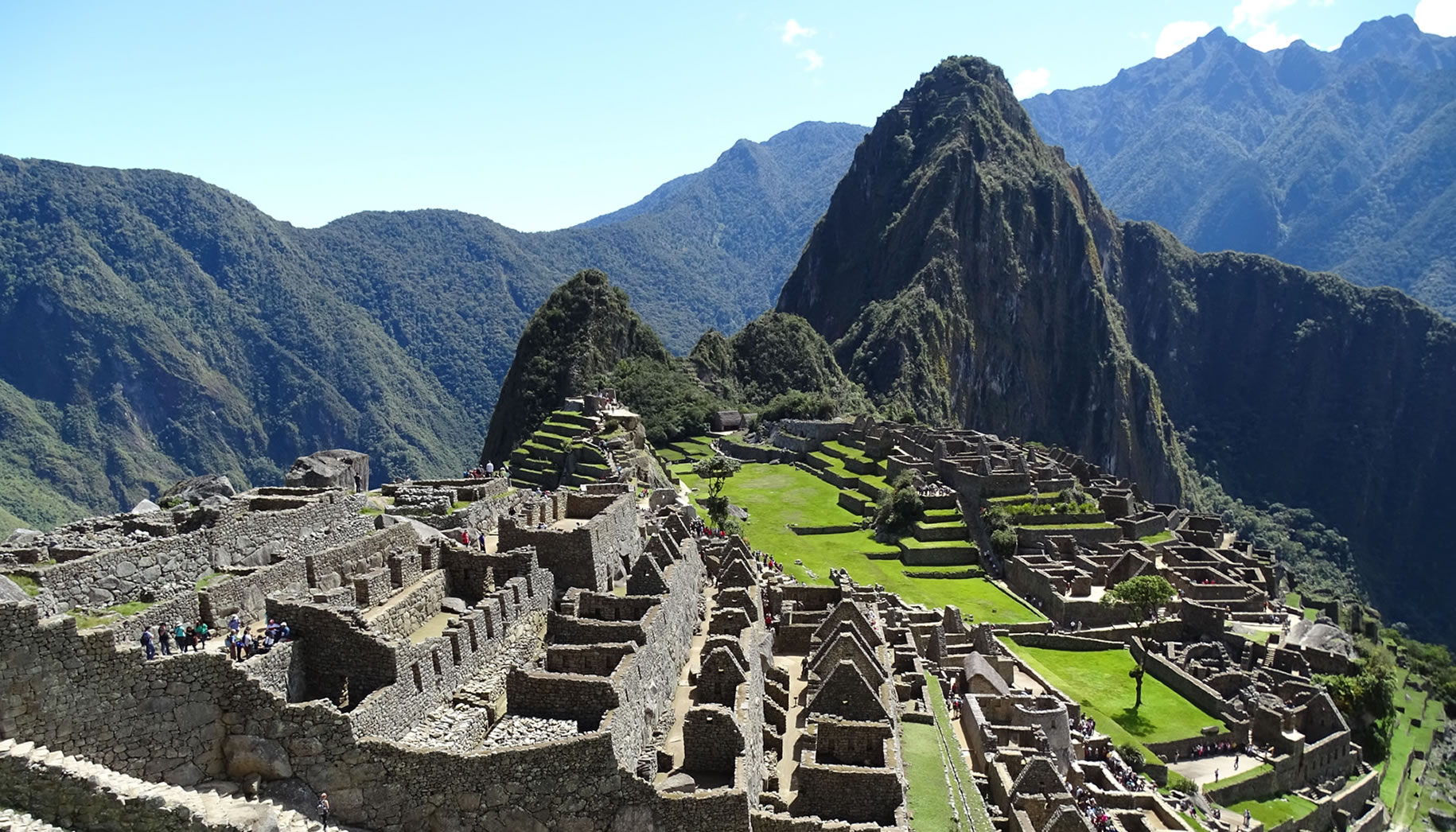
Wake up at 3:30 AM to be among the first at the checkpoint gate. Short but exciting hike to Intipunku (Sun Gate) where you see Machu Picchu for the first time, emerging from the mist with the first rays of sun.
Then, 45-minute descent to the citadel for the guided tour.
Hardest part: Waking up so early after 3 days of hiking.
Tip from our guides: “Worth every second of early wake-up. Seeing Machu Picchu from Intipunku at sunrise is the moment you’ll remember your whole life.”
Comparison with Other Famous Treks
How does the Inca Trail compare with other popular routes?
Trek | Difficulty | Max Altitude | Duration | vs Inca Trail |
Inca Trail | 6-7/10 | 4,215 m | 4 days | – |
Torres del Paine W | 6/10 | 850 m | 5 days | Similar effort, less altitude |
Salkantay Trek | 7-8/10 | 4,630 m | 5 days | More difficult (higher, longer) |
Kilimanjaro | 8/10 | 5,895 m | 6-7 days | Much more difficult (extreme altitude) |
Everest Base Camp | 7-8/10 | 5,364 m | 12-14 days | More difficult (higher, longer) |
Annapurna Circuit | 7/10 | 5,416 m | 12-21 days | More difficult (higher, longer) |
Mont Blanc (Tour) | 6/10 | 2,500 m | 7-11 days | Similar, less altitude |
Cinque Terre | 3/10 | 500 m | 1-2 days | Much easier |
Conclusion: The Inca Trail is in a medium range of world difficulty. It is significantly easier than high mountain treks (Kilimanjaro, Everest BC), but more demanding than recreational walks or low-altitude routes.
Can I Do It?
Signs that YES You Can
✅ You can walk 5-6 hours straight (with short breaks)
✅ You can climb 20-30 flights of stairs without feeling like you’re going to die
✅ You do some type of exercise at least 2-3 times per week
✅ You don’t have serious heart or respiratory problems
✅ You have mental determination (as important as physical)
✅ You’re willing to prepare physically for 2-3 months beforehand
✅ You can spend 4 days without city comforts
Warning Signs (Not Impossible, But Requires More Preparation)
⚠️ You lead a completely sedentary life currently
⚠️ You have significant overweight (more than 20 kg over ideal weight)
⚠️ You have extreme fear of heights (there are sections with steep slopes)
⚠️ You have chronic knee problems (many up and down steps)
⚠️ You’ve never done any type of trekking or long walk
Important: All these situations are manageable with adequate preparation. They’re not reasons not to go, they’re reasons to prepare better.
Who Should NOT Attempt It (For Safety)
❌ Serious heart problems or recent heart surgery
❌ Severe respiratory problems (advanced COPD, severe uncontrolled asthma)
❌ Advanced pregnancy (second/third trimester)
❌ Very limited mobility that prevents walking several hours
❌ Medical conditions that significantly worsen with altitude
Always consult with your doctor before the trip if you have any health condition.
Alternative: 2-Day Inca Trail
If the 4-day version concerns you, the 2-day Inca Trail is an excellent alternative with significantly lower difficulty:
Aspect | 4 Days | 2 Days |
Difficulty | 6-7/10 | 4-5/10 |
Total distance | 43 km | 12 km |
Maximum altitude | 4,215 m | 2,700 m |
Hardest climb | 1,200 m in one day | ~300 m gradual |
Where you sleep | Camping in tent | Hotel in Aguas Calientes |
Days walking | 4 days | 1.5 days |
Arrival at Machu Picchu | Through Intipunku (sunrise) | Through Intipunku (same day) |
The 2-Day Inca Trail is Ideal If:
The best part: You still arrive at Machu Picchu walking through the Sun Gate, the same magical experience as the 4-day trek.
7 Ways to Reduce Difficulty
Spend minimum 2-3 days in Cusco before the trek. Your body needs time to adapt to altitude. Don’t arrive today and start tomorrow.
2-3 months of training before the trek makes a huge difference. You don’t need a gym: walking, climbing stairs and leg exercises are enough.
“Pole pole” (slowly in Swahili) is the mountain mantra. Go slower than you think necessary. If you can converse without gasping, you’re doing well.
Drink 3-4 liters of water per day. Dehydration worsens everything: fatigue, altitude sickness, performance. Drink even if you’re not thirsty.
Poles reduce 25-30% of the impact on your knees during descents. They’re especially important on day 3 with its thousands of descending steps.
Our Adventure and Summit segments offer smaller groups, better equipment and more comfort, which reduces the physical and mental stress of the trek.
Segment | Benefit for difficulty |
Explorer | Complete standard service |
Adventure | Smaller groups (10 pax), better equipment, poles included |
Summit | Minimum groups (6 pax), individual tent, dedicated chef, post-trek massage |
50% of the Inca Trail is mental. When your body wants to give up (and it will on day 2), your mind must take control. Celebrate every step, every break, every small achievement.
Is it harder than running a marathon?
They’re different challenges. Marathon is intense effort for 4-6 hours. The Inca Trail is moderate effort for 4 consecutive days, complicated by altitude. Many marathoners find the Inca Trail surprisingly difficult due to altitude.
Can I do it if I have vertigo or fear of heights?
There are some sections with steep slopes, but the trail is wide and safe. Most people with moderate vertigo complete the trek without problems. If you have severe vertigo, consult with your doctor.
Is there any section where I could fall or is it dangerous?
The Inca Trail is an established tourist route, not technical climbing. There are no sections where a fall is a serious risk if you walk carefully. The biggest danger is slipping on wet steps, not falling off a cliff.
What happens if I can’t continue in the middle of the trek?
We have protocols for these situations. If you can’t continue, we’ll accompany you to a safe point where you can be evacuated (usually towards Km 104 where there’s train access). Your safety is the priority.
Can children do the Inca Trail?
Yes, but with considerations. For the 4-day trek, we recommend minimum 10-12 years and that the child is accustomed to physical activity. The 2-day trek is more suitable for children 8+ years.
Can people over 60 do it?
Absolutely. We’ve had travelers up to 75 years old complete the Inca Trail. The key is adequate preparation, slow pace and good acclimatization. Many older people have more patience and better mental attitude than young people.
What’s the worst that can happen?
The worst realistic scenario is that altitude sickness is severe and you have to abandon the trek. This is rare if you acclimatize well. Serious injuries are very uncommon on the Inca Trail.
Ready for the Challenge?
The Inca Trail is not easy, but it doesn’t need to be. The best achievements require effort.
Thousands of people of all ages and physical conditions complete the Inca Trail every year. With adequate preparation, you can too.
The success equation:
Acclimatization + Physical preparation + Slow pace + Mental determination = Machu Picchu at sunrise
Your Next Step