The Definitive Comparison of the Two Most Popular Treks to Machu Picchu
Two legendary routes. One same destination. The right decision depends on what you’re looking for.
The Traveler’s Dilemma
You’re planning your trip to Machu Picchu and want to arrive walking. You’ve researched and two names appear again and again: Inca Trail and Salkantay Trek.
Both end at Machu Picchu. Both are incredible experiences. But they’re very different from each other.
This article won’t tell you which is “better” because there’s no universal answer. What we’ll do is give you all the information so you can decide which adapts best to what you’re looking for.
Spoiler: We specialize in the Inca Trail, but we’ll be honest about when Salkantay may be a better option for you.
Quick Comparison: Inca Trail vs Salkantay
Aspect | Inca Trail | Salkantay Trek |
Typical duration | 4 days / 3 nights | 5 days / 4 nights |
Distance | 43 km | 70-74 km |
Maximum altitude | 4,215 m (Warmiwañusca) | 4,630 m (Salkantay Pass) |
Difficulty | 6-7/10 | 7-8/10 |
Requires special permit | ✅ Yes (limited to 500/day) | ❌ No (no limit) |
Availability | Sells out months ahead | Almost always available |
Archaeological sites on route | ✅ Many (7+ Inca sites) | ❌ Very few |
Arrival at Machu Picchu | Walking through Intipunku | By bus from Aguas Calientes |
Main landscapes | Cloud forest, Inca ruins | Snow mountain, jungle, lagoons |
Accommodation | Mandatory camping | Camping or lodges available |
Approximate price | $550-$1,500 USD | $350-$800 USD |
Can be done independently | ❌ No, only with agency | ✅ Yes (though not recommended) |
Which One is For You? (Quick Answer)
Choose the INCA TRAIL if:
Choose SALKANTAY if:
History and Cultural Significance
Inca Trail: The Original Sacred Route
The Inca Trail is not simply a trekking route. It’s a royal road built more than 500 years ago by the Inca Empire, part of the road network (Qhapaq Ñan) that connected all of Tahuantinsuyo.
Historical facts:
Aspect | Detail |
Built | 15th century, during Inca Empire peak |
Original purpose | Pilgrimage route to Machu Picchu |
Who used it | Priests, nobles, messengers (chasquis), army |
Part of | Network of 30,000+ km of Inca roads (Qhapaq Ñan) |
Recognition | UNESCO World Heritage Site |
What makes the Inca Trail special:
Archaeological sites on the Inca Trail:
Site | Km | Significance |
Llactapata | Km 6 | Agricultural center, first views |
Runkurakay | Km 20 | Circular watchtower |
Sayacmarca | Km 22 | “Inaccessible town”, ceremonial center |
Phuyupatamarca | Km 28 | “City above the clouds”, ceremonial terraces |
Intipata | Km 30 | Extensive agricultural terraces |
Wiñay Wayna | Km 37 | Spectacular ceremonial complex |
Intipunku | Km 43 | Sun Gate, ritual entrance to Machu Picchu |
Salkantay: The Sacred Mountain Route
The Salkantay Trek is a modern route created as an alternative to the Inca Trail. Although it passes near a mountain sacred to the Incas, the trail itself is not a historical Inca route.
Facts about Salkantay:
Aspect | Detail |
Created as tourist route | 1990s-2000s |
Original purpose | Alternative to Inca Trail when permits saturated |
Salkantay Mountain | Sacred Apu (mountain deity) for Incas, 6,271 m |
Trek doesn’t climb summit | Only passes through pass at 4,630 m |
Recognition | National Geographic: “Top 25 treks in the world” |
What makes Salkantay special:
What Salkantay DOES NOT have:
Verdict: History and Culture
Category | Winner | Why |
Historical value | 🏆 Inca Trail | It’s the original 500-year-old route |
Archaeological sites | 🏆 Inca Trail | 7+ sites vs practically none |
Spiritual significance | 🏆 Inca Trail | Designed as pilgrimage |
Connection with Inca culture | 🏆 Inca Trail | You walk where they walked |
If Inca history and culture are important to you, the Inca Trail has no competition.
Landscapes and Nature
Both treks offer spectacular landscapes, but of very different types.
Inca Trail Landscapes
Ecosystems you cross:
Day | Ecosystem | What You See |
Day 1 | Andean valley | Urubamba River, communities, eucalyptus, mountains |
Day 2 | High puna | High-altitude grasslands, distant snow peaks views |
Day 3 | Cloud forest | Orchids, bromeliads, hummingbirds, mystic fog |
Day 4 | Jungle edge | Lush vegetation, humidity, Machu Picchu |
Landscape highlights:
Distinctive characteristic: The combination of Inca ruins integrated into natural landscape. It’s not just nature, it’s nature with visible history at every step.
Salkantay Landscapes
Ecosystems you cross:
Day | Ecosystem | What You See |
Day 1 | High valley | Humantay Lagoon (turquoise), meadows |
Day 2 | High glacial mountain | Salkantay snow peak, glaciers, pass at 4,630 m |
Day 3 | Transition | Dramatic descent, waterfalls, changing vegetation |
Day 4 | High jungle | Coffee plantations, orchids, waterfalls |
Day 5 | Jungle edge | Aguas Calientes, rivers, tropical vegetation |
Landscape highlights:
Distinctive characteristic: Salkantay snow mountain always present and the dramatic ecosystem change from glacier to tropical jungle.
Visual Landscape Comparison
Landscape Type | Inca Trail | Salkantay |
Close snow mountains | ⭐⭐ Distant view | ⭐⭐⭐⭐⭐ Salkantay dominates |
Glacial lagoons | ⭐ None | ⭐⭐⭐⭐⭐ Humantay spectacular |
Cloud forest | ⭐⭐⭐⭐⭐ Extensive, biodiverse | ⭐⭐⭐ Yes, but less |
Integrated ruins | ⭐⭐⭐⭐⭐ Constant | ⭐ Practically none |
Tropical jungle | ⭐⭐⭐ End of trek | ⭐⭐⭐⭐ Full last day |
Ecosystem diversity | ⭐⭐⭐⭐ High | ⭐⭐⭐⭐⭐ Very high |
Verdict: Landscapes
If You Prefer… | Better Option |
Imposing snow mountains | 🏆 Salkantay |
Glacial lagoons | 🏆 Salkantay |
Landscape with visible history | 🏆 Inca Trail |
Extensive cloud forest | 🏆 Inca Trail |
Maximum ecosystem diversity | 🏆 Salkantay (slight) |
“Mystical” experience | 🏆 Inca Trail |
If you seek pure nature and spectacular snow mountains, Salkantay has advantage. If you prefer nature combined with history, Inca Trail wins.
Physical Difficulty
Both treks are challenging, but in different ways.
Inca Trail Difficulty
General level: 6-7/10
Aspect | Detail |
Total distance | 43 km in 4 days |
Daily average | 10-16 km |
Maximum altitude | 4,215 m (Warmiwañusca) |
Minimum altitude | 2,430 m (Machu Picchu) |
Total ascent | ~2,700 m accumulated |
Total descent | ~3,000 m accumulated |
Hardest day | Day 2 (16 km, climb to 4,215 m) |
Inca Trail profile:
Day 2: Warmiwañusca 4,215m ← HARDEST POINT
/\
/ \
/ \
Day 1 / \ Day 3
/ \ /\
/ \ / \
Km82 / \/ \ Day 4
2,720m \ Machu Picchu 2,430m
Hardest parts of Inca Trail:
Salkantay Difficulty
General level: 7-8/10
Aspect | Detail |
Total distance | 70-74 km in 5 days |
Daily average | 14-18 km |
Maximum altitude | 4,630 m (Salkantay Pass) |
Minimum altitude | 2,040 m (Aguas Calientes) |
Total ascent | ~3,000 m accumulated |
Total descent | ~3,500 m accumulated |
Hardest day | Day 2 (pass at 4,630 m) |
Salkantay profile:
Day 2: Salkantay Pass 4,630m ← HARDEST POINT
/\
/ \
/ \
Day 1 / \ Day 3
/ \ \
/ \ \ Day 4
Soraypampa \ \ Day 5
3,900m \ \ Aguas Calientes
\ \ 2,040m
——
Hardest parts of Salkantay:
Direct Difficulty Comparison
Factor | Inca Trail | Salkantay | More Difficult |
Total distance | 43 km | 74 km | Salkantay |
Maximum altitude | 4,215 m | 4,630 m | Salkantay |
Duration | 4 days | 5 days | Salkantay |
Technical terrain | Stone steps | Varied, sometimes irregular | Similar |
Ascent accumulated | ~2,700 m | ~3,000 m | Salkantay |
Maintained trail | Very well maintained | Variable | Inca Trail (easier) |
Services on route | Established campsites | More basic | Inca Trail (easier) |
Verdict: Difficulty
Salkantay is objectively more difficult:
However, the Inca Trail has its own challenges:
Your Situation | Better Option |
First high-altitude trekking experience | Inca Trail |
Seeking maximum physical challenge | Salkantay |
Knee problems | Neither ideal, but Salkantay fewer steps |
Limited time | Inca Trail (4 days vs 5) |
Want lodge option (no camping) | Salkantay |
Availability and Permits
This is one of the most important differences and often determines the final decision.
Inca Trail: Strict Permit System
Aspect | Detail |
Daily permits | 500 total (only ~200 tourists) |
Required | Personal and non-transferable permit |
Issuer | Ministry of Culture of Peru |
How to obtain | Only through authorized agency |
Can be done alone | NO, mandatory with agency |
Advance needed | 2-6 months depending on season |
Sells out | YES, frequently in high season |
February | CLOSED for maintenance |
When permits sell out:
Season | Advance Needed | Sellout Risk |
June – August | 4-6 months | 🔴 VERY HIGH |
May, September | 3-4 months | 🟠 HIGH |
April, October | 2-3 months | 🟡 MEDIUM |
November – March | 1-2 months | 🟢 LOW |
Inti Raymi (24 Jun) | 5-6 months | 🔴 SELLS OUT FIRST |
Salkantay: No Permit Limit
Aspect | Detail |
Daily permits | No limit |
Required | No special permit |
How to book | With agency or independent |
Can be done alone | YES (though not recommended) |
Advance needed | 1-2 weeks generally sufficient |
Sells out | Very rare, almost always available |
February | OPEN all year |
Availability Comparison
Situation | Inca Trail | Salkantay |
Want to go in July and it’s January | ✅ Book NOW | ✅ Can wait |
Decided 2 weeks ago | 🔴 Probably sold out | ✅ No problem |
Traveling in February | ❌ CLOSED | ✅ Available |
Date flexibility | Low (specific date) | High (easy to change) |
Improvised trip | ❌ Doesn’t work | ✅ Works well |
Verdict: Availability
Salkantay clearly wins in availability and flexibility.
If Your Situation Is… | Better Option |
Planning 4+ months ahead | Either (Inca Trail available) |
Planning 1-2 months ahead | Salkantay safer |
Decided recently, trip soon | Salkantay |
Traveling in February | Salkantay (only available) |
Want guaranteed specific date | Salkantay |
Inca Trail permits sold out | Salkantay is alternative |
Price
Trek | Typical Price Range |
Inca Trail | $550-$1,500 USD |
Salkantay | $350-$800 USD |
Why is Inca Trail more expensive?
Arrival at Machu Picchu
This is perhaps the most emotionally significant difference between both treks.
Inca Trail: Arrival through Intipunku
The experience:
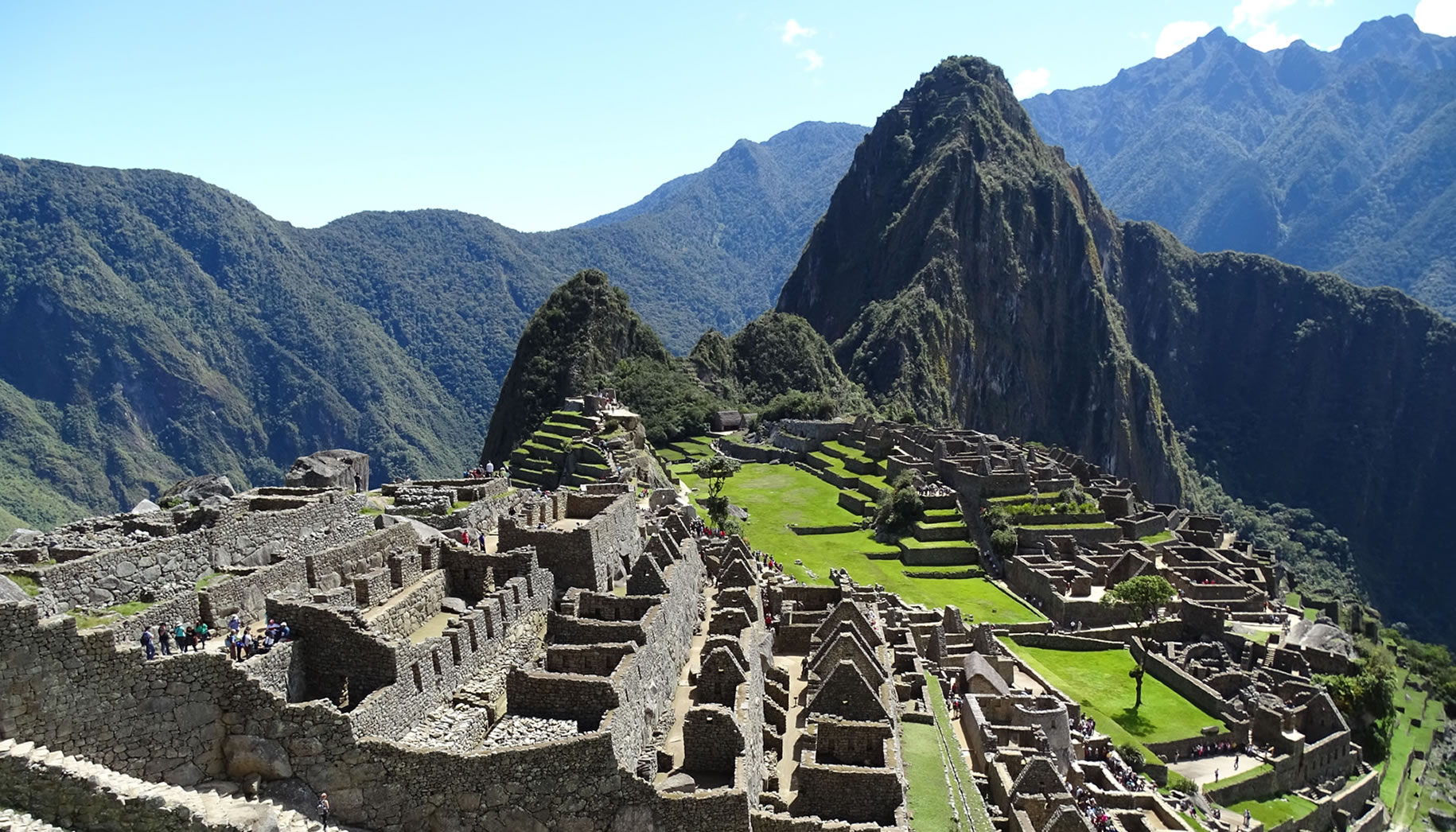
On the last day of the Inca Trail, you wake up at 3:30 AM. In darkness, you walk the last 2 hours to Intipunku (Sun Gate).
You arrive just as the sun begins to rise. Below, wrapped in morning mist, Machu Picchu slowly emerges like a revelation. It’s the same moment Inca pilgrims experienced 500 years ago.
What makes this arrival special:
Salkantay: Arrival by Bus
The experience:
On the last day of Salkantay, you take the train or walk to Aguas Calientes (the town at Machu Picchu’s base). The next day, you take a 25-minute bus that zigzags up to Machu Picchu entrance.
You enter through the main entrance, the same one used by all tourists coming by train from Cusco.
What this arrival implies:
It’s not bad, but…
Comparison: The Arrival Moment
Aspect | Inca Trail | Salkantay |
How you arrive | Walking | By bus |
Where you enter | Intipunku (Sun Gate) | Main entrance |
First view | From above, panoramic | From inside |
Emotional moment | ⭐⭐⭐⭐⭐ Intense | ⭐⭐⭐ Normal |
Exclusivity | Only Inca Trail trekkers | Shared with everyone |
Trek-Machu Picchu connection | Totally integrated | Separate experiences |
Verdict: Arrival
Inca Trail wins overwhelmingly in arrival experience.
If arriving walking at Machu Picchu and having that revelation moment from Intipunku is important to you, the Inca Trail is the only option.
Salkantay takes you to Machu Picchu, but the arrival is the same as any tourist who took the train.
Accommodation During Trek
Inca Trail: Camping Only
On the Inca Trail there’s no option other than camping. There are no lodges or shelters on route.
Aspect | Detail |
Type | Mandatory camping |
Tents | Provided by agency |
Where | Campsites designated by Ministry |
Bathrooms | Basic bathrooms at campsites |
Showers | NO showers on route |
Bed | Sleeping pad and sleeping bag |
According to segment with us:
Segment | Tent Type | Sleeping Bag | Extras |
Explorer | Shared (2-3 people) | Rental available | Basic pad |
Adventure | Improved shared | Included (-15°C) | Inflatable mattress |
Summit | Individual | Premium included (-20°C) | Pillow, premium mattress |
Salkantay: Camping or Lodges
Salkantay offers accommodation flexibility:
Option 1: Camping (more economical)
Aspect | Detail |
Type | Camping at designated sites |
Tents | Provided |
Bathrooms | Basic |
Showers | Some locations have showers |
Price | $350-700 USD |
Option 2: Lodges (more comfortable)
Aspect | Detail |
Type | Mountain lodges with rooms |
Bed | Real bed with sheets |
Bathrooms | Private or shared, with hot water |
Showers | YES, hot water |
Extras | Restaurant, bar, heating |
Price | $800-2,500 USD |
Salkantay lodges include:
Accommodation Comparison
If You Prefer… | Better Option |
Sleep in real bed | 🏆 Salkantay with lodges |
Showers during trek | 🏆 Salkantay with lodges |
Authentic camping experience | Both have camping |
Camping doesn’t matter | Either |
Comfort is priority | 🏆 Salkantay with lodges |
If you absolutely don’t want camping, Inca Trail is NOT for you. Salkantay with lodges is your alternative.
When to Choose Each One?
After all the information, here are the clear scenarios:
Choose INCA TRAIL If:
✅ Inca history and culture are fundamental to your trip
✅ You want to arrive walking at Machu Picchu through Sun Gate
✅ You seek the “original” and classic experience
✅ You can plan 4-6 months in advance
✅ Budget is not your main limitation
✅ You prefer shorter trek (4 days vs 5)
✅ Archaeological sites on route matter to you
✅ You want to feel you walk where Incas walked
Choose SALKANTAY If:
✅ Inca Trail permits are sold out for your date
✅ You decided your trip with little advance notice
✅ You prefer high mountain landscapes (glaciers, lagoons)
✅ You have limited budget
✅ You want option to sleep in lodges (no camping)
✅ You seek greater physical challenge
✅ You travel in February (Inca Trail closed)
✅ You prefer more flexibility in dates and services
✅ Arriving at Machu Picchu by bus doesn’t matter to you
Don’t Choose Based On:
❌ “They say one is better than the other” — They’re different, not better/worse
❌ Price only — Cheapest isn’t always best decision
❌ What your friend did — Your priorities may be different
❌ Difficulty as medal — More difficult doesn’t mean better experience
What If I Do Both?
If you have time and budget, doing both treks on different trips is the complete experience.
Option 1: Two different trips
Option 2: Same trip, if you have 10+ days
Our recommendation: If you can only do one, and can get permits, the Inca Trail is the experience you can’t replicate any other way. Salkantay is incredible, but you can do similar treks in other parts of the world. The Inca Trail is unique.
Which is safer?
Both are safe with responsible agencies. Inca Trail is more regulated and has better campsite infrastructure. Salkantay is safe but slightly more “wild”.
Can I see Salkantay mountain from the Inca Trail?
Yes, on clear days you can see Salkantay snow peak in the distance from some Inca Trail points. But not up close like on Salkantay trek.
Is Salkantay “alternative Inca Trail”?
Many people call it that, but technically it’s not. Salkantay is not a historical Inca road. It’s a modern route that also ends at Machu Picchu.
Which has better photos?
Different but both spectacular:
If Inca Trail permits are sold out, is Salkantay worth doing?
Absolutely! Salkantay is an incredible experience in its own right. It’s not “consolation prize”, it’s a different but equally valid adventure.
Can I do 2-day Inca Trail + Salkantay on same trip?
Technically yes, if you have time. You could do:
But it’s a lot of consecutive trekking. Only for the very motivated.
Have You Decided?
Both treks are life experiences. There’s no “wrong” decision.
What’s important is choosing the one that aligns with your priorities:
Your Priority | Your Choice |
History + walking arrival | Inca Trail |
Mountains + availability + price | Salkantay |
We Are Inca Trail Specialists
At Inca Trail Explorers we dedicate ourselves exclusively to the Inca Trail. It’s our passion and specialty.
If you decide the Inca Trail is for you, we’re here to make it the experience of your life.
Is Inca Trail Sold Out for Your Date?
Don’t worry. We can recommend reliable Salkantay agencies or help you find alternative Inca Trail dates.
📧 Email: [email protected]
📱 WhatsApp: +51 921 333 639